


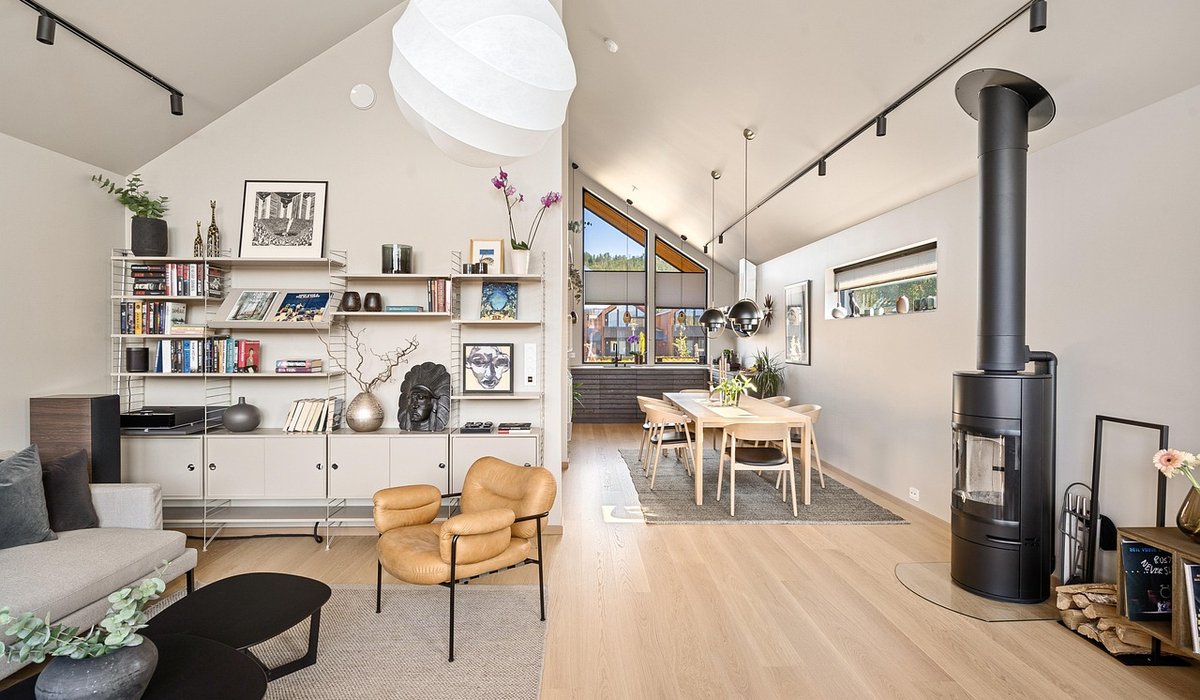
Start by Understanding Where the Light Falls
Before you buy a single mirror or tin of paint, spend a day watching your room. Notice how sunlight enters, how far it travels across the floor, and which corners it never quite reaches. A north-facing sitting room tends to receive cool, even light all day, whilst a room with a small window and a deep sill may only catch a brief burst in the morning. Once you know the pattern, you can work with it rather than fighting it. The aim is not to flood a dark room with artificial brightness, but to help what light you do have travel further and feel softer.
Use Mirrors with Intention, Not Just Enthusiasm
Mirrors are the most effective tool you have, but placement matters enormously. A mirror hung directly opposite a window will double the daylight entering the room and make the whole space feel wider. A mirror hung beside a window, or on the same wall, will mostly reflect the darker side of the room and do very little.
- Hang a large mirror so its centre sits roughly at eye level or slightly lower, which pushes reflected light downwards across the room.
- Choose a slim pale timber, brushed metal or frameless design. Thick dark frames absorb light and add visual weight.
- Lean a tall mirror against a wall in an awkward corner to open it up, securing it properly if you have children or pets.
- Group two or three smaller mirrors rather than one tiny one; a single small mirror in a large dark room can look apologetic.
If you can, choose a mirror that reflects something worth seeing — a glimpse of greenery, a pale wall or an open doorway — rather than a cluttered shelf.
Dress Your Windows Lightly
Heavy curtains, thick linings, pelmets and valances all steal light before it reaches the room. In a dim space, swap them for something that lets the daylight through. Linen, cotton, voile and muslin all work beautifully, and a half-glazed or unlined curtain still gives you privacy in the evening whilst filtering light gently by day.
Fix your curtain pole wider and higher than the window frame — around 15 to 20 centimetres above the top and 20 to 30 centimetres beyond each side. This makes the window look larger and allows the curtains to sit clear of the glass when drawn back. Tie-backs or simple holdbacks keep fabric out of the way. If you need blackout for sleep, use a separate roller blind in a pale tone behind a sheer curtain rather than one heavy lined pair doing both jobs badly.
Choose Surfaces That Bounce Light Back
The finish of your walls, ceiling and furniture has a quiet but powerful effect. In low light, cool greys and stark whites can turn grey and gloomy, whilst deep colours swallow what little brightness there is. Warm pale neutrals — soft limestone, chalky off-white, pale clay, gentle oatmeal — reflect light beautifully and keep a room feeling welcoming rather than clinical.
- Paint the ceiling in a flat, bright white to bounce light downwards. Ceilings are often forgotten and are the easiest win in the room.
- Use a low-sheen eggshell or soft satin on walls. Full gloss highlights every imperfection, but a gentle sheen lifts light without showing flaws.
- Add reflective accents: a glass-topped side table, a brass lamp base, a mirrored tray, polished tiles behind a kitchen splashback.
- Consider a large framed print or artwork with a pale mount and glass, which reflects light as well as adding interest.
Rethink Floors, Furnishings and Clutter
A pale floor reflects more light back into the room than a dark one. If you have dark floorboards or a deep carpet, a large rug in a light natural fibre — jute, sisal or a pale wool — will lift the centre of the room considerably. Keep the path of light clear: move heavy furniture away from windows where you can, and avoid placing a tall bookcase directly in front of your brightest window.
Clear windowsills too. A few small objects are charming; a crowded sill blocks light and makes the window feel smaller than it is. Choose houseplants with lighter, glossier leaves, and place them to the side rather than across the glass.
Small Daily Habits That Make a Real Difference
Light is easily dulled by things we stop noticing. Clean windows inside and out, and wipe down lampshades and bulbs — a dusty bulb can lose a surprising amount of its output. Swap cool white bulbs for warm white ones around 2700K, which flatter pale walls and make an evening room feel cosy rather than grey.
Finally, layer your lighting rather than relying on one overhead fitting. A small lamp in a dark corner, a table lamp beside a mirror and a warm glow from a shelf will make the whole room feel more open and airy, even after the sun has gone. Gentle light is rarely about brightness; it is about how thoughtfully it is guided.


Leave a reply